PEPTIDE [FLW]
Animated case-study cut. Palette, chrome and scenes from the project spec; every cue timed to the measured word starts of the voiceover.
![PEPTIDE [FLW]](lib/logos/peptide-flw.webp)
Where I prove it first
Ninety one on a phone
The parts you cannot see
A deploy that proves itself
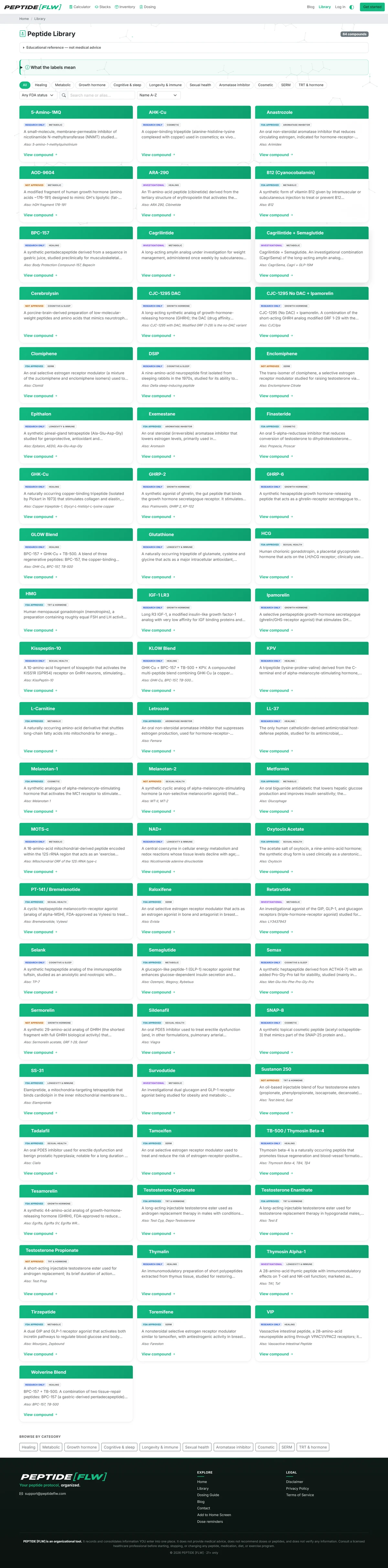
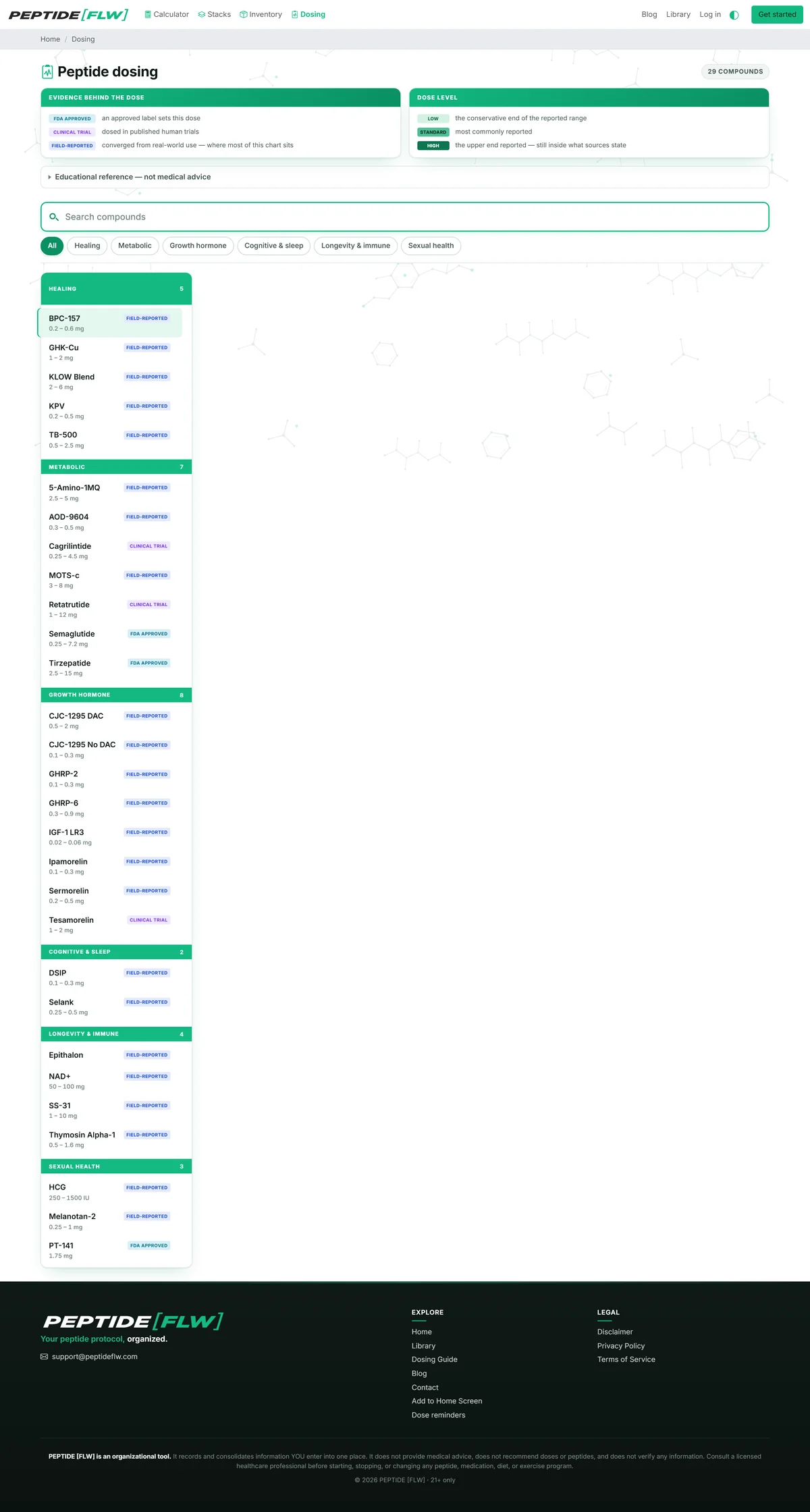
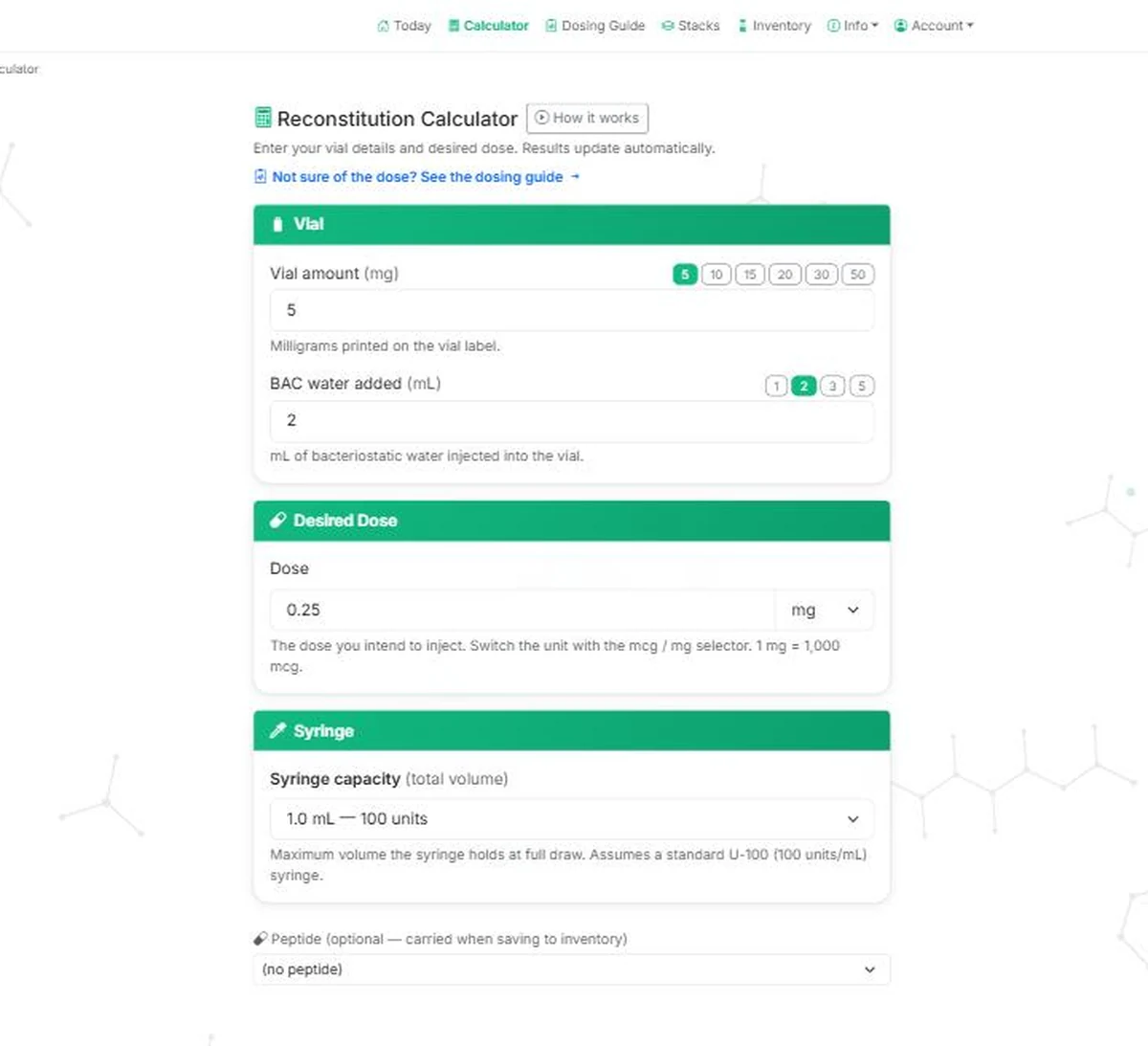
This one is mine, and it is here for one reason.
It is where I prove the engineering I sell,
on my own name, before it goes anywhere near a client.
Start with how it looks.
Soft greens on near white,
generous spacing, and four cards that name what it does in one word each.
People open this half awake,
so the design removes every decision that is not the one they came to make.
Restraint is harder than decoration,
and it is what makes a tool feel trustworthy.
It is fast where it matters.
Ninety one out of a hundred on a phone,
a perfect hundred for both search and accessibility,
and it paints in four tenths of a second on a desktop.
Then the parts you cannot see.
There is a set of rules telling the browser exactly what this site is allowed to do,
and more importantly what it is not.
It cannot be wrapped inside a fake page pretending to be me.
Its links cannot be redirected.
Its forms cannot be made to send somebody's details somewhere else.
Each one of those is aimed at a real attack that happens to real businesses,
and most sites have none of it,
even though it costs nothing to have.
The login is protected two different ways,
because any single protection has a gap,
and the second one covers it.
And when I publish an update,
the system proves the update actually went live before it calls the job done.
That sounds obvious. It is not.
Hosting will cheerfully report success while nothing has changed at all,
which is exactly how a site sits broken for a week and nobody notices.
If you are choosing between agencies,
the honest question is what they run themselves.
This is my answer.